
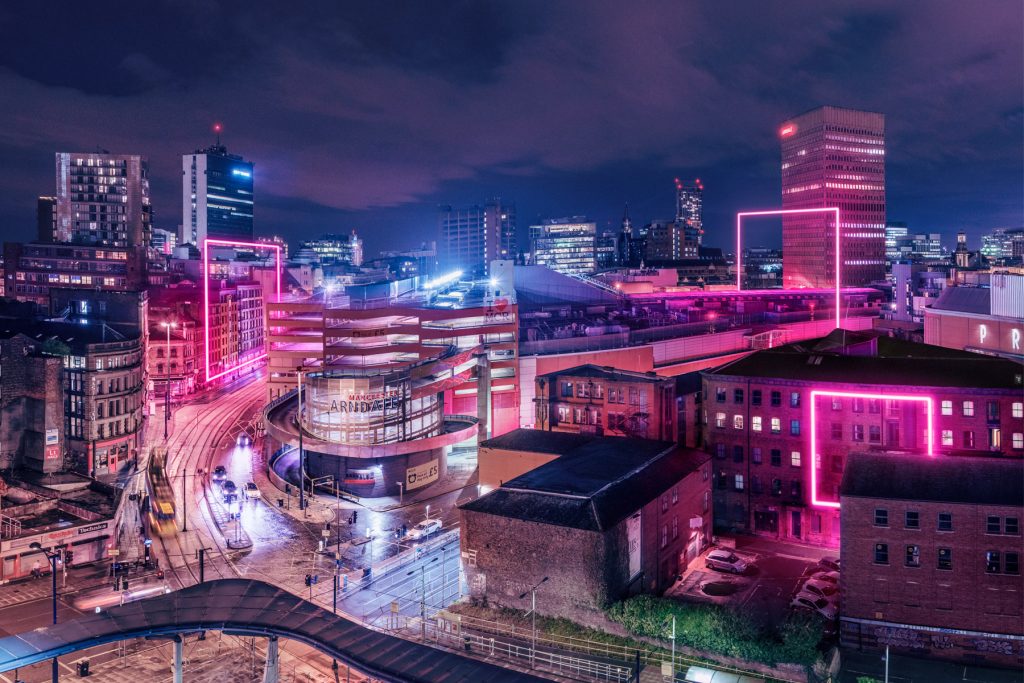
Manchester, the UK’s second-largest city, is experiencing a transformative period of growth and regeneration, positioning itself as a prime location for property investment. With a rich history, vibrant cultural scene, and strategic economic initiatives, Manchester’s property landscape is poised for significant evolution in the coming years. This article explores the key factors driving this transformation and what the future holds for the city’s real estate market.
Economic and Cultural Hub
Manchester has long been recognized as a major economic and cultural hub. Home to three major universities and a burgeoning tech scene, the city attracts a youthful and educated workforce. The influx of young professionals, coupled with the city’s strategic position as a gateway between the North and South of England, has driven demand for both residential and commercial properties.
Extensive Regeneration Projects
One of the most significant drivers of Manchester’s property landscape transformation is the extensive regeneration projects currently underway. These projects are not only revitalizing the city but also attracting both domestic and international investors. Key initiatives include:
- Northern Gateway: This £1 billion investment aims to create thousands of new homes and commercial spaces, transforming the northern part of the city. The project promises to deliver sustainable and vibrant communities, enhancing the urban experience.
- Mayfield: A major redevelopment project focused on creating a new urban neighbourhood with residential, commercial, and leisure spaces alongside a new city park. This initiative is set to redefine city living in Manchester.
- St. John’s Quarter: This mixed-use development includes residential, commercial, and cultural spaces, featuring the Factory, a new arts venue that will host international events, further boosting Manchester’s cultural profile.
- Victoria North: Aimed at delivering 15,000 new homes over the next 20 years, Victoria North focuses on sustainable and inclusive development, catering to the growing demand for quality housing.

Technological and Infrastructure Advancements
Technological advancements and infrastructure improvements are also shaping the future of Manchester’s property market. The city’s commitment to becoming a smart city is evident in projects such as the ID Manchester innovation district, which aims to create a hub for technology, research, and development in partnership with the University of Manchester. Additionally, the High-Speed 2 (HS2) rail project will significantly enhance connectivity, making Manchester even more attractive for businesses and residents alike.
Green Initiatives and Sustainability
Manchester is on a mission to become one of the greenest cities in Europe, with ambitious targets to achieve carbon neutrality by 2038. The city’s green initiatives include promoting renewable energy, enhancing green spaces, and implementing sustainable construction practices. Developments like the Mayfield Park and the integration of green infrastructure into urban planning are set to enhance the quality of life for residents, making the city more appealing for property investors focused on sustainability.
Market Trends and Projections
The property market in Manchester has seen robust growth, with the average property price now around £250,000, reflecting a 4% increase from the previous year. Projections indicate that property prices in Manchester are expected to rise by approximately 25% by 2029, driven by high demand, ongoing regeneration projects, and strong economic fundamentals. Rental prices are also forecasted to grow significantly, with an anticipated increase of 20-25% by 2029, fueled by the city’s expanding workforce and student population.
Challenges and Opportunities
While the future looks promising, the Manchester property market faces challenges such as affordability issues and the need for continued investment in infrastructure. However, these challenges also present opportunities for innovative solutions and strategic investments. The city’s proactive approach to addressing housing shortages and enhancing urban infrastructure positions it well to overcome these obstacles and continue its upward trajectory.
Conclusion
The future of the property landscape in Manchester is bright, underpinned by strategic regeneration projects, technological advancements, green initiatives, and strong economic fundamentals. As the city continues to evolve, it offers lucrative opportunities for property investors seeking long-term growth and stability. With its dynamic cultural scene, robust infrastructure, and commitment to sustainability, Manchester is set to remain a key player in the UK’s property market for years to come.